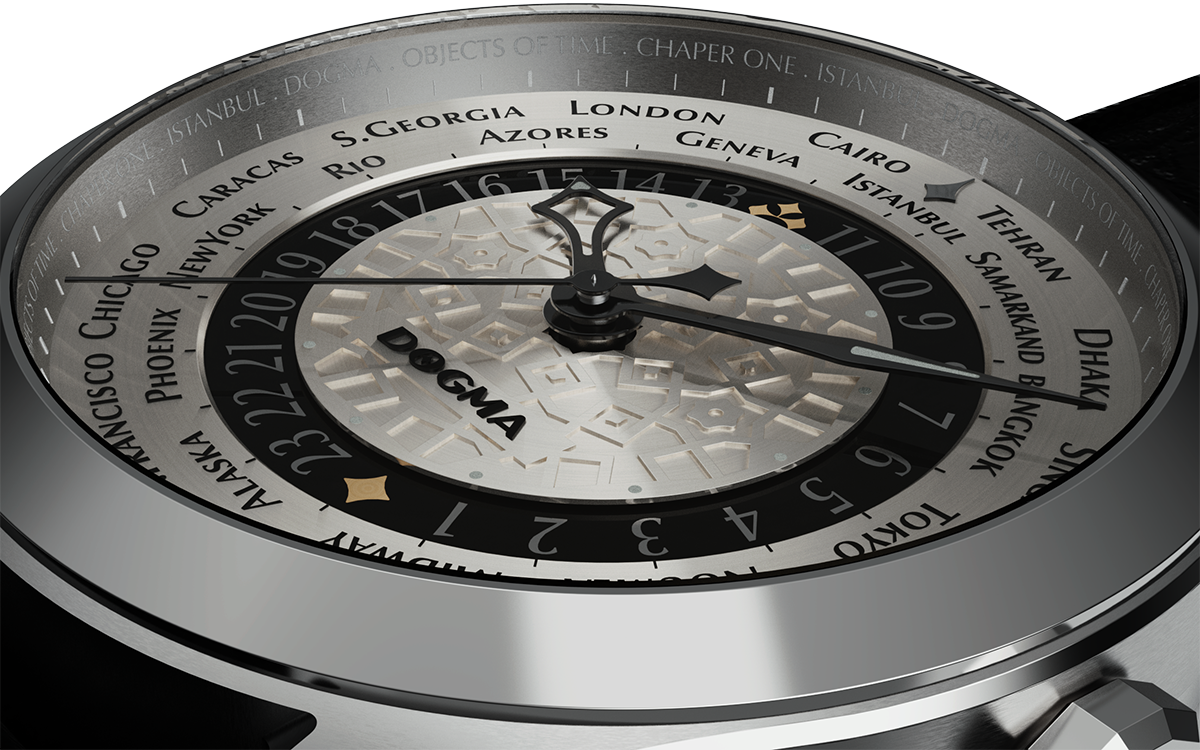


How the Atlas Works
The Atlas is not a release calendar, and not every place will become a watch. It is Dogma’s evolving field of possible Monographs: cities and sites chosen for the way they hold tension, memory, movement, geometry, or cultural weight. Some become releases. Others remain coordinates in reserve until the right object asks to be made.
Atlas Coordinates
Cities are among the clearest embodiments of time. They outlive the hands that built them, the voices that shaped them, and the generations that passed through them. A city holds what time leaves behind and what it refuses to erase. It gathers the traces of countless lives, moments of love, difficulty, invention, ceremony, loss, and renewal, and carries them forward in stone, rhythm, light, and pattern. For the collector who cares about culture, travel, architecture, music, and memory, a city becomes more than a place: it becomes a way of holding time in a single frame—made legible through objects.
Istanbul
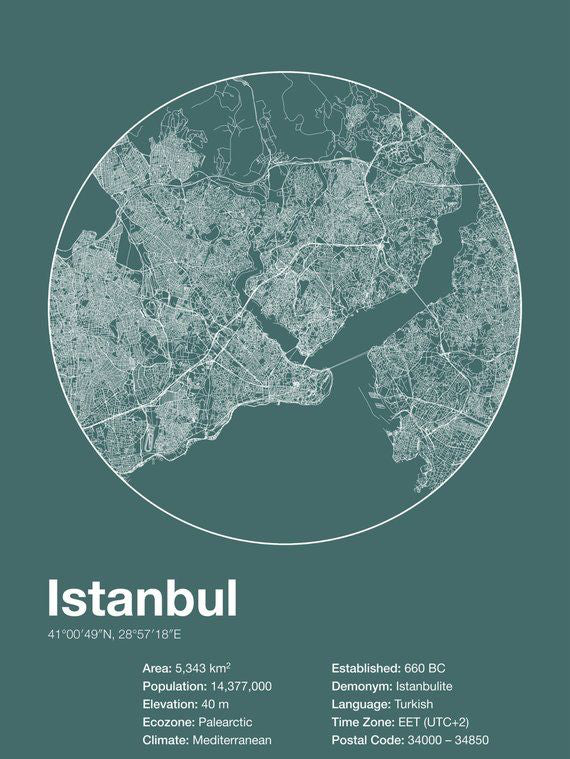
Istanbul stands at the meeting point of continents, empires, languages, and routes. Few cities embody crossing as fully: water and stone, devotion and commerce, ornament and utility, intimacy and scale. Its layers are not neatly separated but held in tension, each era still visible inside the next. For Dogma, Istanbul represents threshold time—a city where movement is constant, memory is dense, and identity is formed through contact rather than isolation.
It is the natural opening coordinate for a Monograph built around world time, because it does not merely connect places; it teaches how different worlds can exist within one frame.
Barcelona
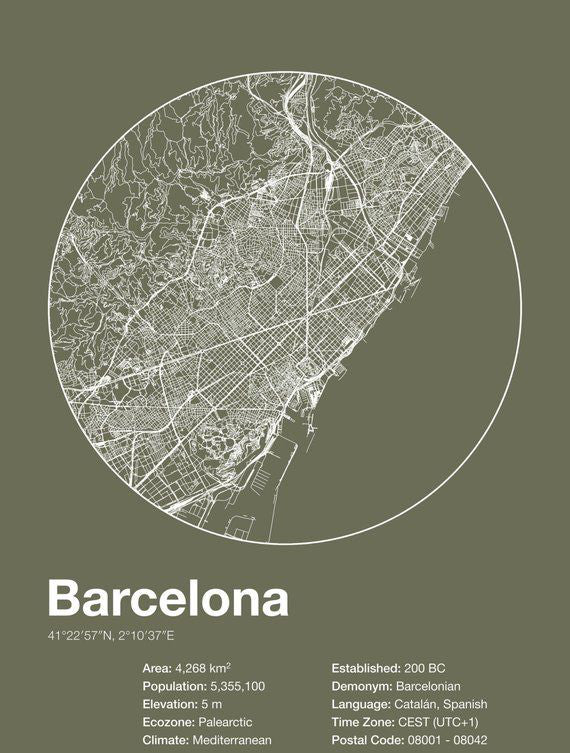
Barcelona carries a rare balance of civic order and expressive excess. Its geometry is disciplined, yet alive with curve, texture, pattern, and improvisation. The city moves between rational planning and sensual surface, between Mediterranean openness and highly localized identity. Architecture here is not background but temperament. For Dogma, Barcelona matters as a study in how structure can remain emotionally charged—how a watch might hold both clarity and exuberance without losing its center.
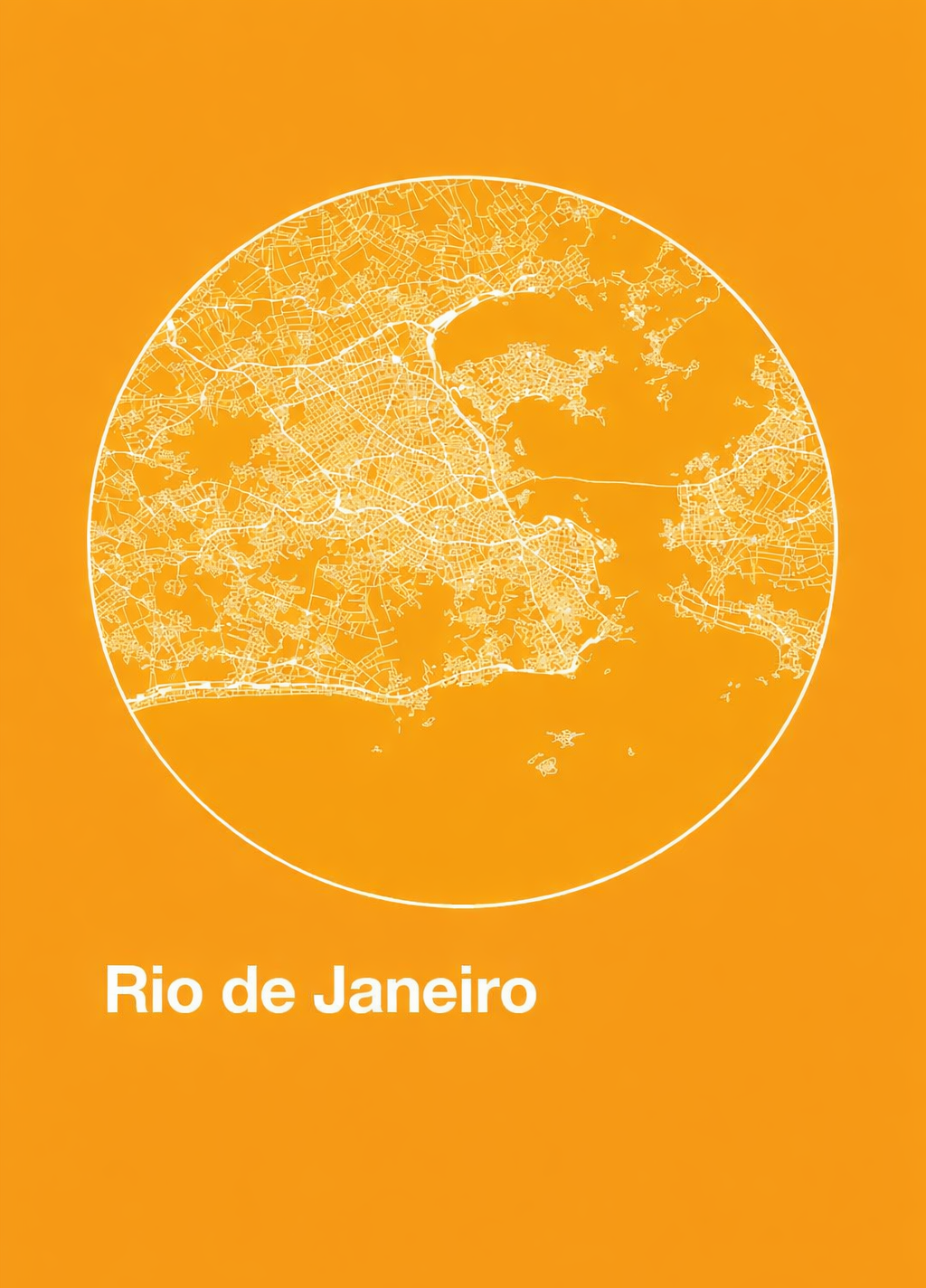
Rio de Janeiro
Rio is a city of dramatic transitions: mountain to sea, density to openness, celebration to struggle, exposure to concealment. Its visual identity is inseparable from relief and movement; even the horizon behaves like a gesture. But Rio’s significance lies not only in beauty. It is a city where music, resilience, improvisation, inequality, ritual, and spectacle are all held in close proximity. For Dogma, Rio represents charged rhythm: a way of understanding time through pulse, terrain, light, and the body’s movement through public life.
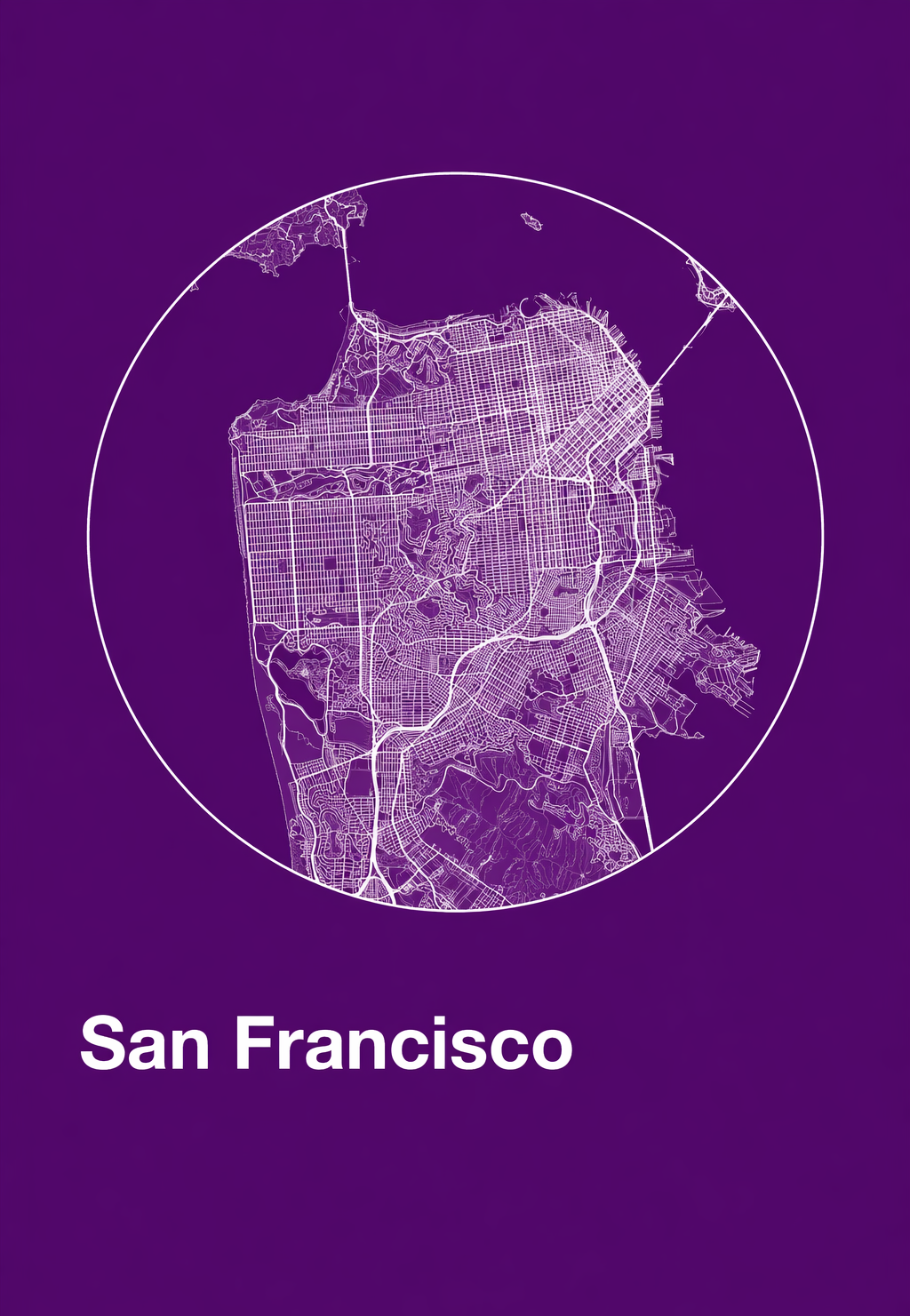
San Francisco
San Francisco is defined by edge conditions. It is a city of gradients, weather shifts, engineered ambition, instability, and reinvention. Land meets water, infrastructure meets topography, and optimism is constantly tested by friction. It is also one of the clearest examples of how design, industry, and myth can occupy the same urban field. For Dogma, San Francisco matters as a study in constructed tension: a city whose identity is shaped by fault lines, fog, elevation, and systems that were never as stable as they appeared.
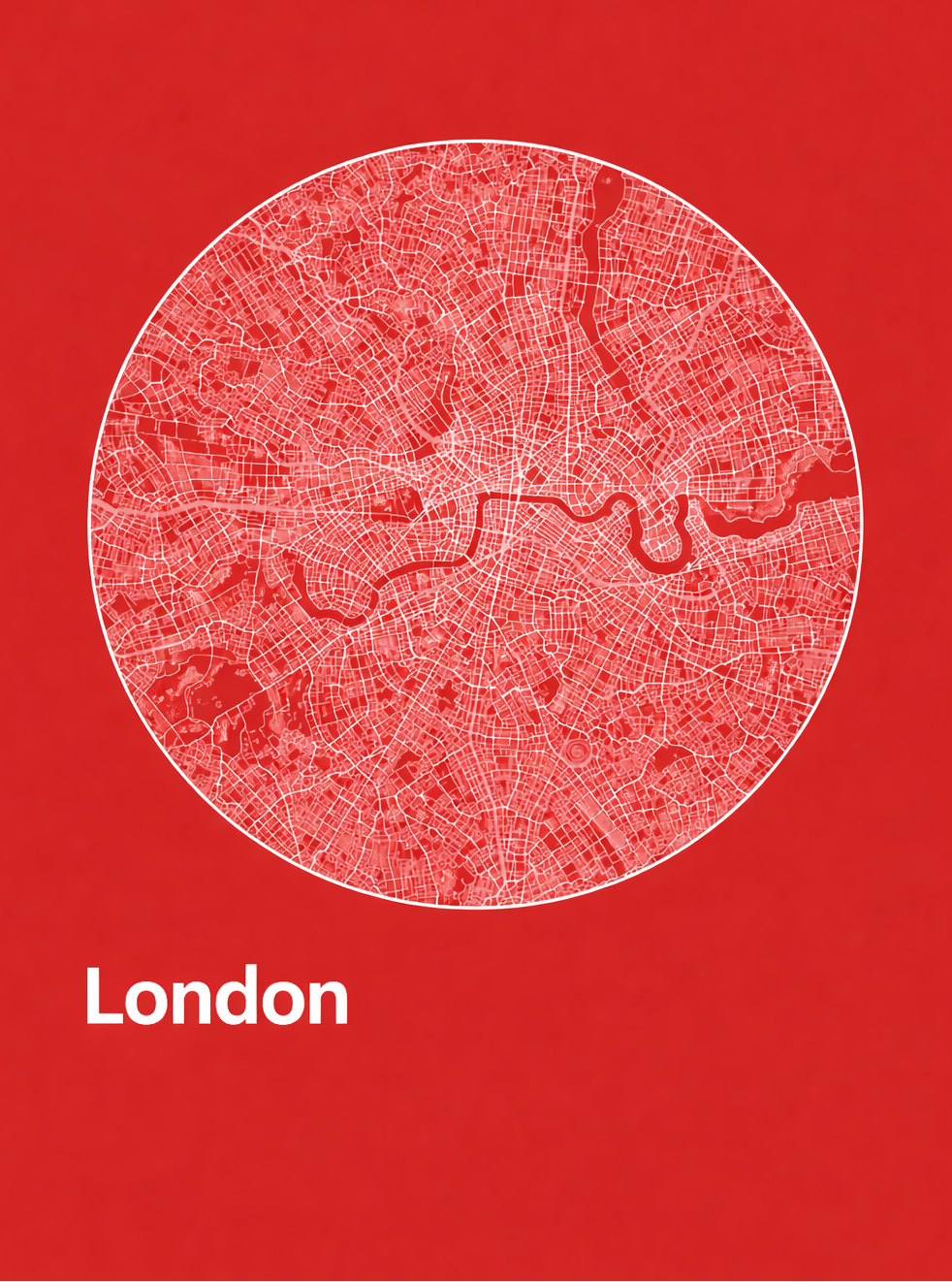
London
London carries authority without simplicity. It is a city of institutions, ritual, weather, accumulation, and controlled surface, but beneath that composure lies deep contradiction and continual revision. Time in London is measured, archived, and administered—yet also unruly, migratory, and layered beyond neat narrative. For Dogma, London represents disciplined complexity: the ability of a place to remain formal while still absorbing countless lives, influences, and histories into its fabric.
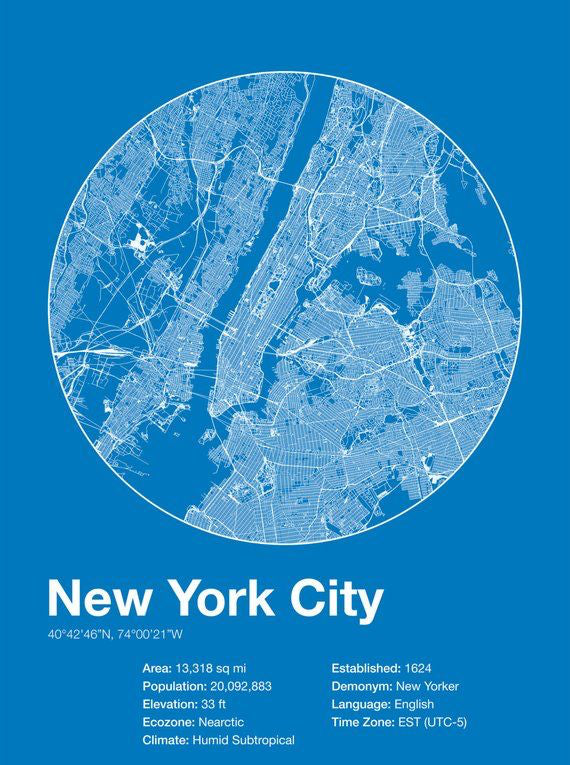
New York City
New York City is a place of compression, ambition, migration, and continuous reinvention. Few cities gather so many systems of value into one field: commerce, art, architecture, fashion, labor, spectacle, and private longing all moving at once. Its verticality is not only physical but psychological; it changes how scale, urgency, and presence are felt. For Dogma, New York matters as a study in concentrated time: a city where generations arrive, build, fracture, and leave their marks without ever fully settling the whole.

Tehran (Interlude)
Tehran is a city of compression: cultural, emotional, political, geographic, and temporal. It contains extraordinary refinement alongside strain, intimacy alongside scale, and memory alongside relentless present-tense pressure. Its complexity is not decorative; it is structural. Tehran matters to Dogma because it carries contradiction without losing coherence. It is also a city that resists easy reading, which makes it especially meaningful in a series concerned with time, identity, and layered interpretation. Even its offset time zone carries symbolic force: a reminder that not all systems align cleanly, and that nuance itself can be part of the frame.
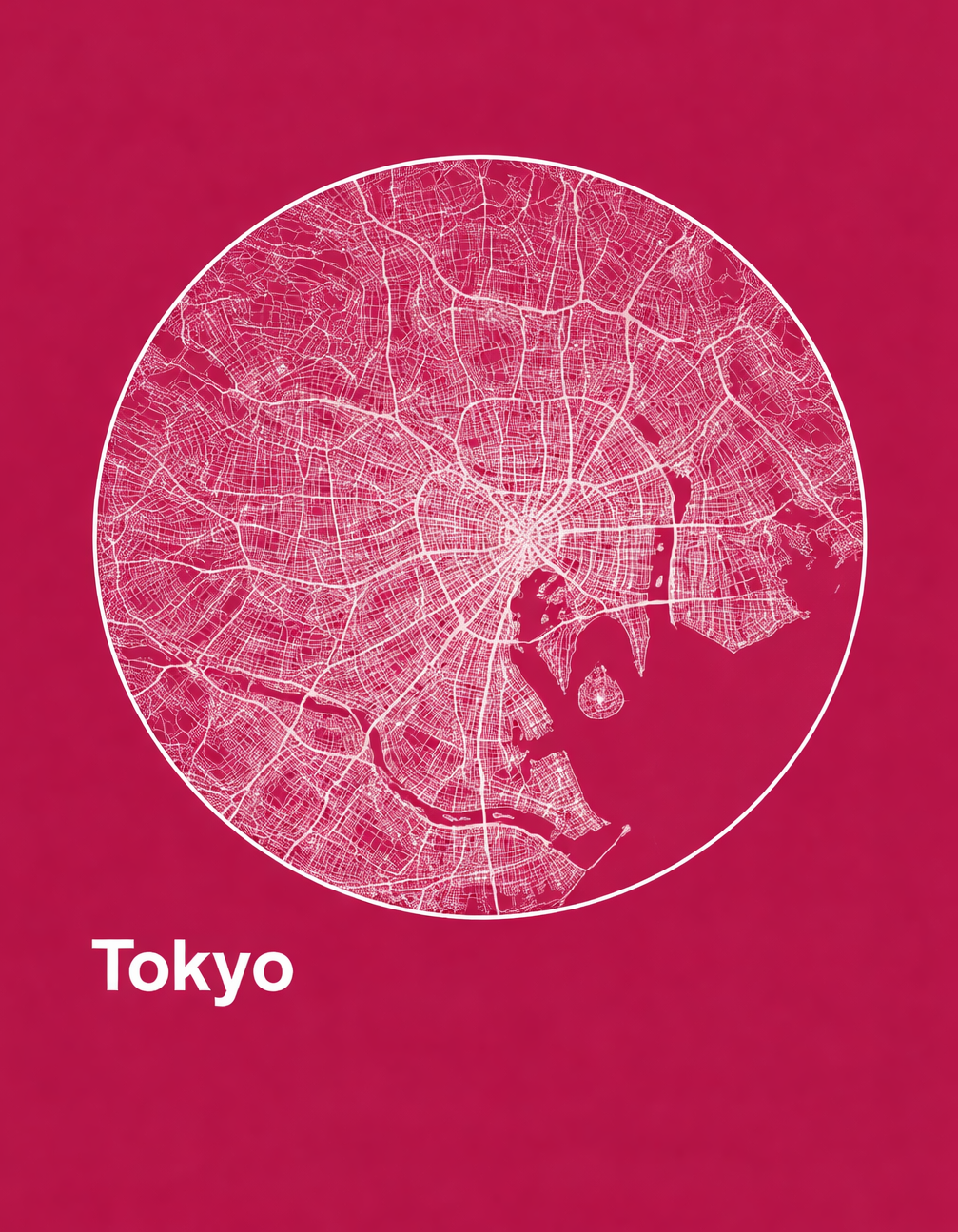
Tokyo
Tokyo is one of the world’s clearest studies in precision, concentration, and layered velocity. It moves with extraordinary order while holding countless micro-worlds inside itself: quiet and overload, ritual and futurity, density and emptiness, repetition and innovation. What matters is not simply its scale, but the refinement with which it organizes experience. For Dogma, Tokyo represents exactness under pressure—a city where design is inseparable from discipline, and where time can feel both accelerated and exquisitely controlled.
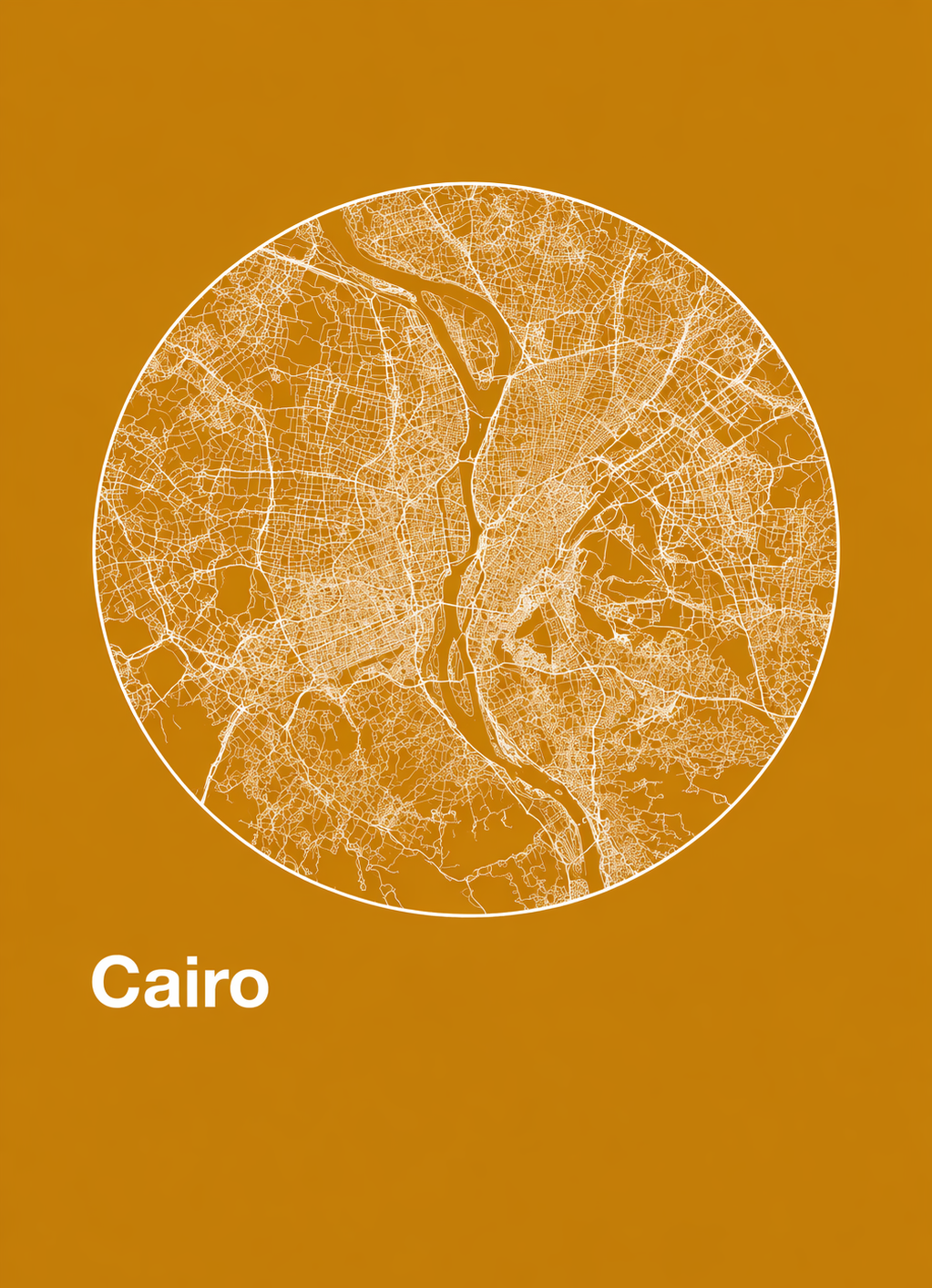
Cairo
Cairo holds time at civilizational scale. Few cities make continuity feel so immediate: antiquity, devotion, congestion, improvisation, and modern pressure all pressing against one another in the same field. It is a city where survival itself becomes a form of urban intelligence. Cairo matters to Dogma because it gives time weight. Not abstraction, not nostalgia, but actual accumulated human duration—lived, worn, repaired, and carried forward through density and strain.
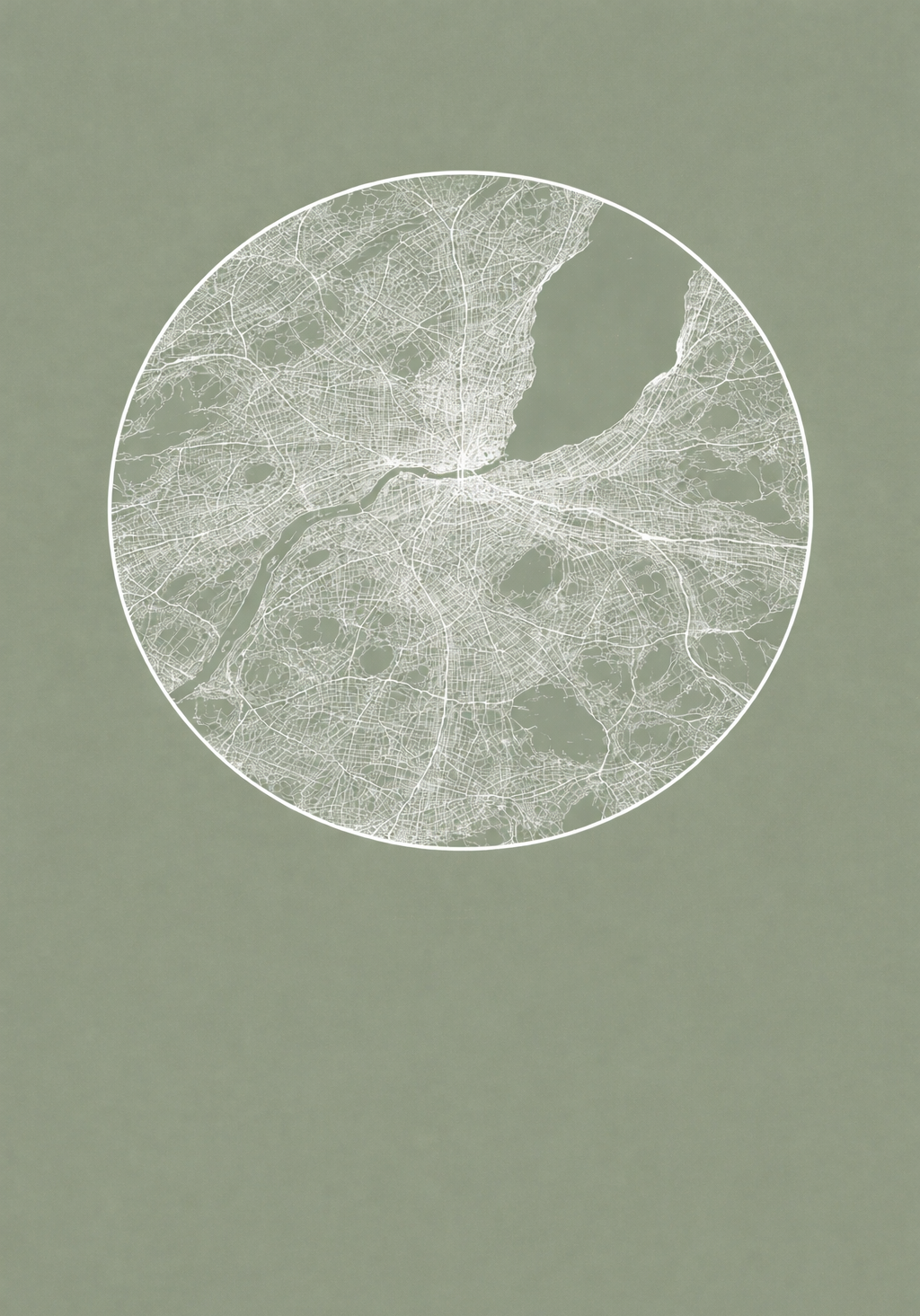
Geneva
Geneva occupies a singular place in the language of horology. It stands for institutional legitimacy, refinement, and the codified center of Swiss watch culture. But that is precisely why it is important to Dogma: not simply as a source of authority, but as a point of tension. Geneva represents the established grammar of watchmaking against which other voices can define themselves. In the Atlas, it is less a city of scenery than a coordinate of pressure—where tradition becomes something to engage, respect, resist, or reinterpret.
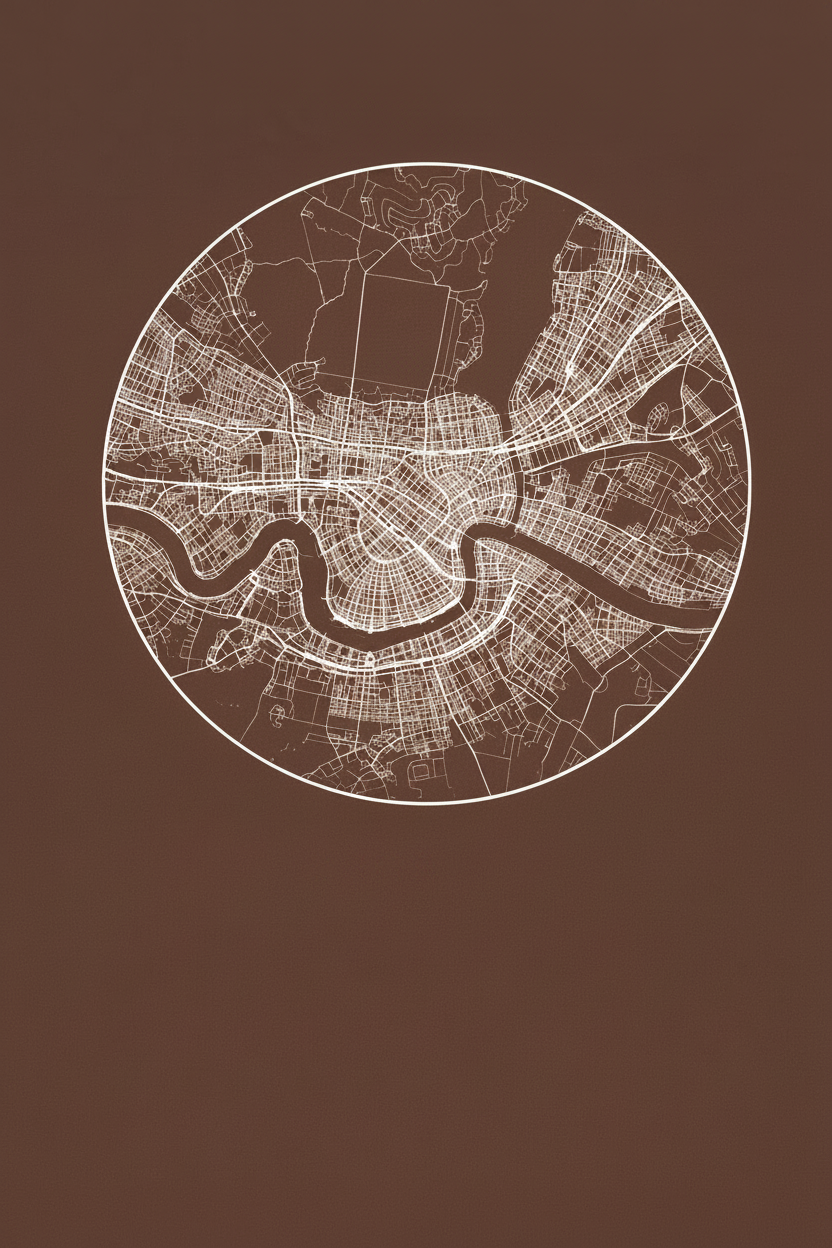
New Orleans
New Orleans carries time through ritual more visibly than almost any American city. Music, mourning, celebration, ornament, cuisine, faith, and survival are not separated there, but woven into one civic body. It is a city shaped by water, memory, improvisation, and historical depth, where fragility and endurance coexist in public form. For Dogma, New Orleans matters because it shows how culture can keep time alive—not abstractly, but through repeated acts of sound, gathering, and remembrance.
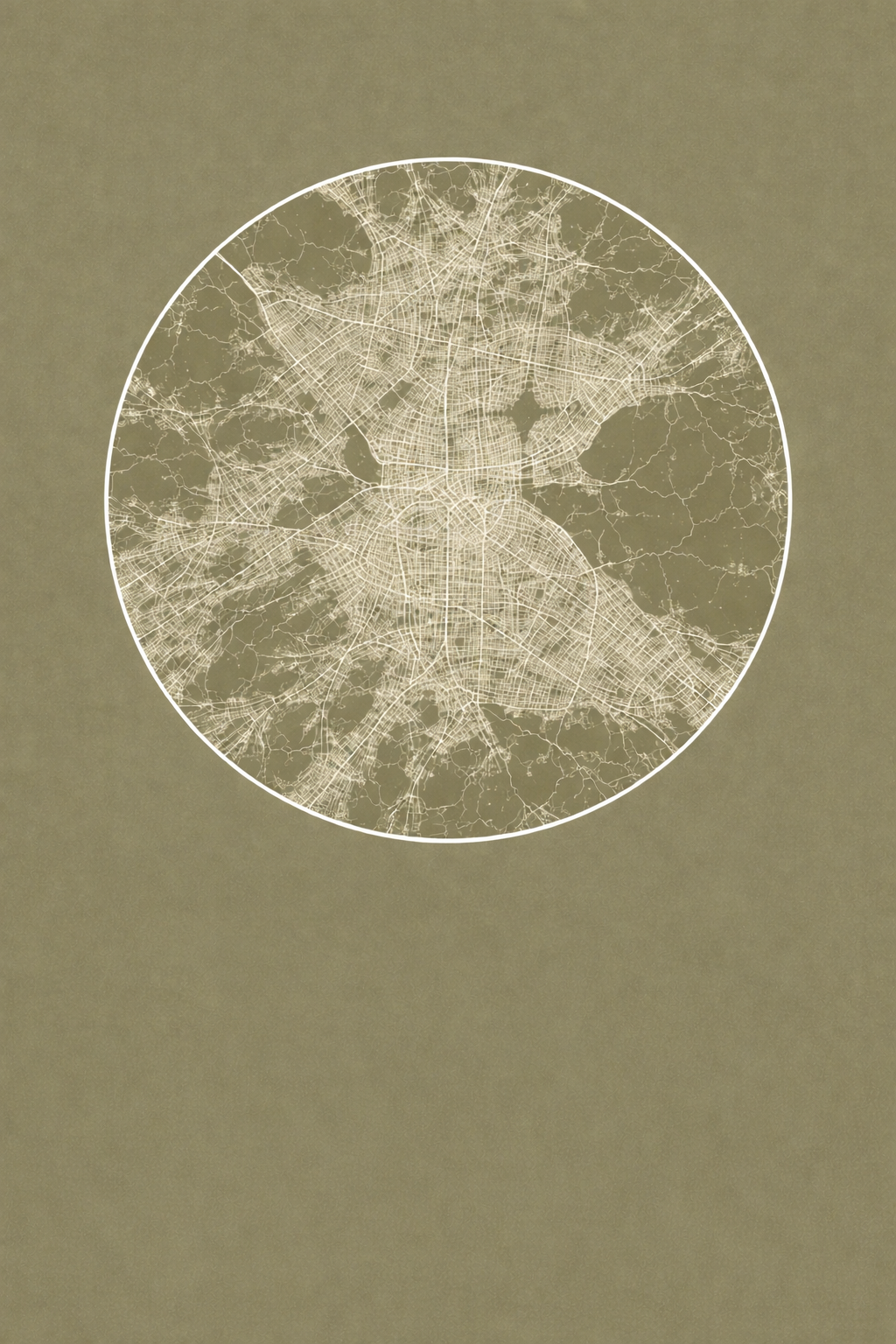
Mexico City
Mexico City is built from layers that never fully disappear. Its scale, altitude, geology, architecture, memory, and cultural intensity create a field where past and present are constantly visible inside one another. It is a city of mass and vibration, ceremony and daily improvisation, deep history and contemporary force. For Dogma, Mexico City represents stratified time: the sense that a place can hold rupture, continuity, and reinvention all at once without flattening any of them.
We share the Atlas to be transparent about intent, not to lock dates. The Atlas remains open. Some coordinates become watches. Others remain in reserve until the right object asks to be made.